
Advance Cure Diagnostic Centers LLC

Blog

Your blog category

cure blog 1

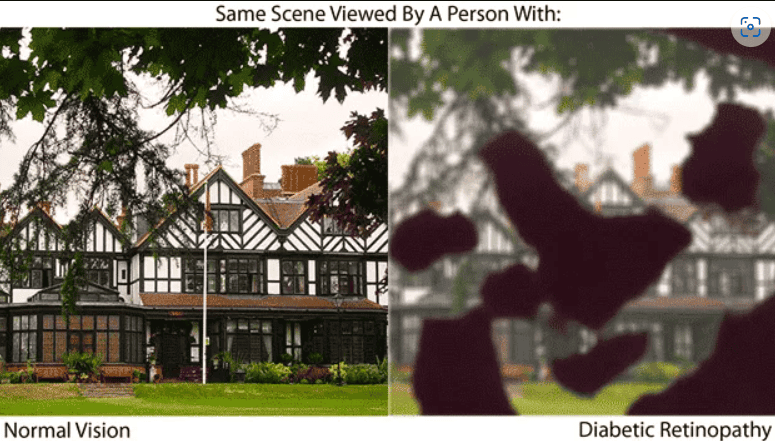
What is Glaucoma?

Glaucoma results from a damage to the optic nerve. Usually the damage is from increased pressure in the eye. The damage to the eye is irreversible and glaucoma can lead to blindness. The most common form, open-angle glaucoma, generally appears in middle age and seems to have a genetic component. In this type of glaucoma,

What is Glaucoma? Read More »

cure blog 2 1024

Child Development

Before babies learn to talk in a real language, their parent’s native tongue, they babble and coo, playing with sound. That’s baby talk, and baby talk sounds similar the world over. But when will you hear your baby’s first words? Critical milestones for a baby learning to talk happen in the first three years of

Child Development Read More »

keep a watchful eye

Keep a watchful eye

Eye tests play a hugely significant role in making sure your eyes stay healthy. Not only are eye tests important for checking whether you need to start wearing glasses or need to change your prescription, but also for detecting some common medical conditions such as diabetes! An eye test is recommended at least every two

Keep a watchful eye Read More »

cure blog 4 1024

Children Vision

Baby’s vision goes through many changes in the first months after birth. Newborn babies have peripheral vision (the ability to see to the sides) and in the first weeks of life gradually develop the ability to focus on an object or point in front of them. At one month, a baby can focus briefly on

Children Vision Read More »

k

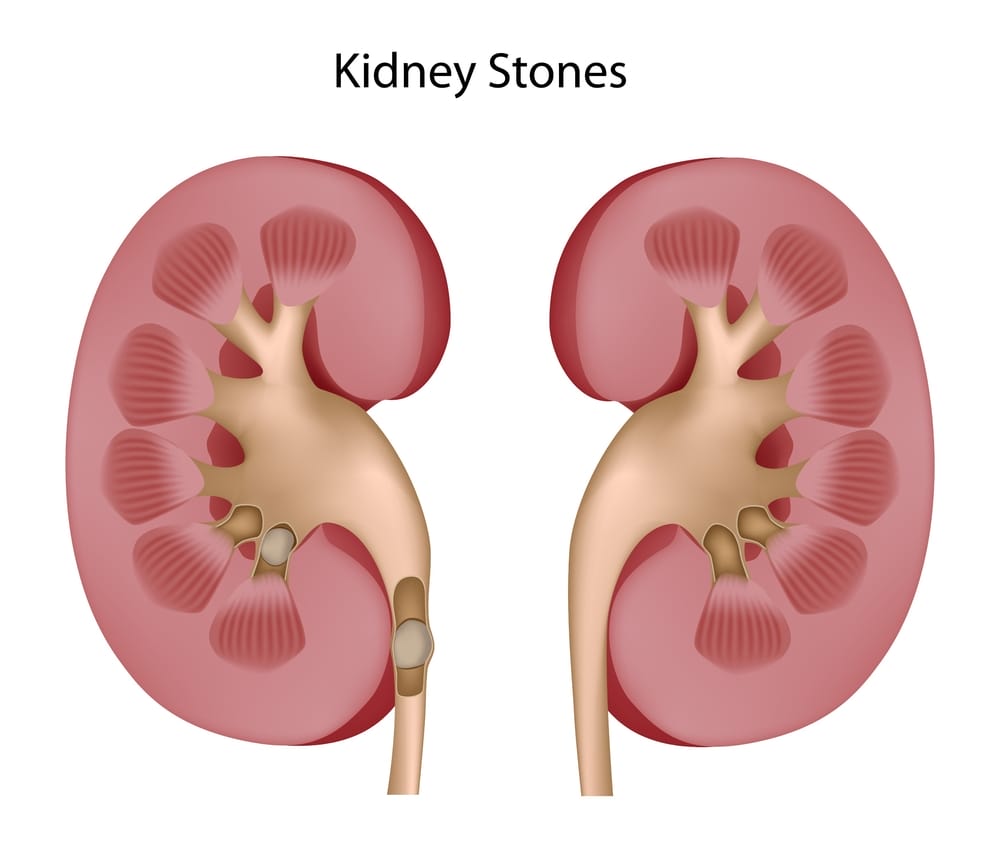
What are Kidney Stones?

Nephrolithiasis, or more commonly known as kidney stones, are hard crystalline minerals formed in the kidney or urinary tract. At some point in their life, one in 20 people develop kidney stones at one point their lifetime. There are four types of kidney stones. They come in different sizes and forms, from as small as

What are Kidney Stones? Read More »

image08

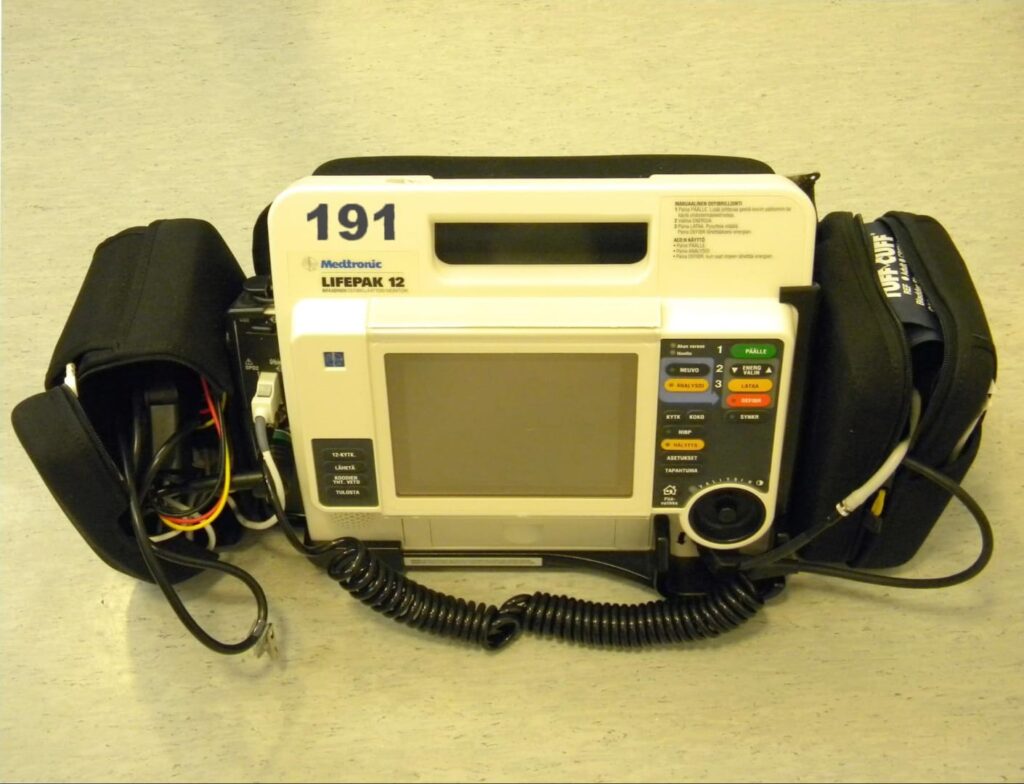
Debunking the defibrillator myth

Watch enough detective or hospital television dramas and you’re bound to notice dramatic scenes where doctors attempt to bring patients back to life using a defibrillator! In reality, defibrillators are typically used on patients with cardiac dysrhythmias, also known as irregular heartbeat, and ventricular fibrillation. As the name suggests, defibrillation stops fibrillation, the useless trembling

Debunking the defibrillator myth Read More »

2

Scroll to Top