The scorching heat of the Sun in the UAE is unbearable and you must prioritize protecting your skin. From choosing the right sunscreen to strictly following a skincare routine, you always need to be prepared to beat the heat.
Key Takeaways
- Never Skip Sunscreen – Apply a broad-spectrum sunscreen before heading outdoors and keep reapplying every 2 hours
- Protect All Skin Tones – Be mindful of your skin tone and take care accordingly, not missing out on vulnerable areas like the ears, scalp, lips, and hands
- Make the Pairings Correct – Pair your morning SPF with an antioxidant Vitamin C serum, and use a double-cleansing, barrier-repairing evening routine to recover from heat and sweat
As summer embraces the UAE with its plentiful sunshine and tempting warmth, the attraction of outdoor activities is strong. The country offers popular beaches, rooftop lounges, desert safaris, and year-round sunshine for the citizens as well as the tourists. Well, excessive UV radiation and urban population have detrimental effects on your skin.
In this blog, we will discuss how to protect your skin from sun damage in the UAE.
What Makes the Sun Tougher for Your Skin?
People living in the UAE have to bear extreme UV indexes. Naturally, sun protection becomes a priority for everyone. But what makes it so difficult to endure?
Year-Round Sunshine
What makes beating the sun’s heat in the UAE a challenge is the presence of more than 3,500 hours of sunlight in a year. This means that you are constantly exposed to ultraviolet rays, even if you stay indoors.
Desert Reflection
Sand, glass, and water surfaces reflect sunlight in the UAE. This doubles the UV impact, thereby making the temperature more comfortable for people.
High Temperatures
The summer daytime temperature in the UAE ranges from 40°C to 48°C. But it dips down to approx. 32°C in the colder months. The higher the temperature, the more water loss happens, weakening your natural barrier.
Urban Lifestyle
Remaining exposed to constant pollution when driving or during outdoor activities elevates sun-induced damage. And this results in accelerated aging along with uneven pigmentation.
What is the Science Behind UV Damage?
Before you reach out to us to seek protection for your skin, you need to understand what you are up against in the UAE. All you need to know is:
UVA vs. UVB Radiation
UVA rays persist throughout the year, and they penetrate deeply into your skin (dermis). As they easily pass through window glass, you get exposed to them while sitting in front of a window or while driving. By breaking down collagen, such rays cause premature aging.
UVB rays stay active during peak daylight hours. They mainly affect the outer layer of the skin while leading to skin redness and sunburns.
Beyond UV: Blue Light and Heat-Induced Damage
It isn’t just invisible ultraviolet light that affects your skin. High-Energy Visible (HEV) light emitted by intense desert sunlight as well as indoor digital screens triggers deep oxidative stress. When combined with ambient temperatures exceeding 40°C, direct heat expands blood vessels, worsening inflammatory conditions like melasma and stubborn dark spots.
The AC-to-Heat Transition
Do you need to move multiple times in a day between inside and outside? If so, you might experience sub-zero indoor air conditioning at one moment while dealing with 45°C+ outdoor heat a few moments later.
Not just frustrating, but this frequent transition makes your natural skin barrier weak while resulting in transepidermal water loss. This dehydrates your skin, and it becomes more prone to irritation.
The Melanin Misconception
A common myth in multi-ethnic regions is that people with darker skin tones do not require sunscreen. Higher melanin levels provide some inherent protection against burning, but that is not enough to tackle UVA damage or hyperpigmentation.
The reality is that darker skin tones, when exposed to stronger UV rays, are more vulnerable to stubborn post-inflammatory hyperpigmentation. No matter what your skin tone is, you should prioritize natural skin care in the UAE.
What is the Ultimate Sunscreen Guide for the Gulf Environment?
Your present sunscreen can protect your skin from the sun, but it might not be effective for the high heat and humidity of the UAE. Protecting your skin in the UAE should be effective, consistent, and not complicated. What you need to consider are:
The Right Sunscreen
Because of the extreme UV levels throughout the year in the UAE, your sunscreen must be at least SPF 50+. This is a minimum standard to block intense UVB rays. Look for the ones labeled ‘Broad-Spectrum’ or featuring a ‘PA++++’* rating to ensure your skin stays protected from UVA and UVB rays.
Because of the high humidity in the UAE, you will sweat continuously. Choose fluid lotions, gel-creams, or invisible liquid formulas. Avoid heavy creams as they result in clogged pores when mixed with sweat.
Do you stay outside most of the time or have frequent pool days? If yes, consider a water-resistant formula so that the product does not melt off within a short time.
Pro Tip: If you have oily/acne-prone skin, look for agents like hyaluronic acid or niacinamide. If you have sensitive skin, consider fragrance-free mineral options with zinc oxide or titanium dioxide, and soothing additions like vitamin E or centella asiatica
Application and Reapplication Tactics
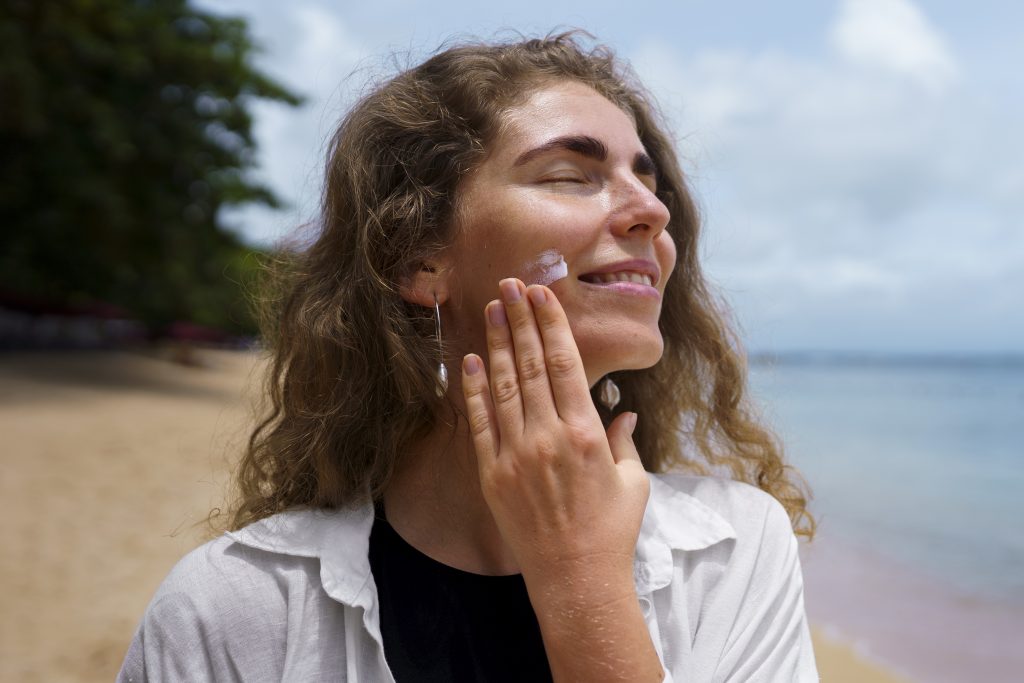
Choosing the right sunscreen is half the work done because correct application matters. Take two full lines of sunscreen on your index and middle fingers and apply on your face and neck.
You must apply sunscreen at least 15 to 20 minutes before stepping outside. This allows the proper formation of the protective film while offering the maximum level of protection to your skin from UV damage.
Sunscreen degrades after a couple of hours of exposure. While wearing makeup, reapply using an SPF mist, an invisible sun stick, or a mineral powder sunscreen for touch-ups on the go. A renowned skin specialist in Abu Dhabi can help you with the right application tactics.
Don’t Miss the Other Areas
Protecting your face from sun damage does not indicate complete protection from UV damage. Here are the areas that you must not ignore as they age first.
- Ears
- Back of the neck
- Hands and forearms
- Scalp
- Lips (use SPF lip balm)
*PA++++ is the highest rating on the Protection Grade of UVA scale, meaning a sunscreen offers extremely high protection against UVA rays
How to Adjust Your Regular Skincare Routine?
With the right adjustment in your daily skincare routine, your skin’s natural defense is boosted. What you need to consider are:
Morning Defense Layering
A 4-step skincare routine is a must in the morning when you are in the UAE.
| Steps | What to consider |
| Cleanser | Consider a non-stripping cleanser to cleanse your face and neck |
| Shield | Apply Vitamin C serum as it boosts protection while adding a radiant glow |
| Hydration | Apply a lightweight moisturizer (containing hyaluronic acid or glycerin) |
| Protection | Consider an SPF 50+ sunscreen lotion |
Table 1: Morning defense layering
Evening After-Sun Recovery
When you come back home in the evening, use an oil cleanser to wash your face. This dissolves water-resistant SPF, sweat, and pollution buildup. After that, apply a gentle gel cleanser.
Applying niacinamide, ceramides, or aloe vera calms heat-related inflammation while repairing your moisture barrier overnight. Use a fragrance-free moisturizer or a light milky lotion to repair the compromised skin lipid barrier. Avoid chemical acids (AHAs/BHAs) and retinoids in your evening skincare routine as they increase skin sensitivity to sunlight.
What to Know about Physical Defenses, Diet and Hydration to Combat the UAE Temperature?
Sunscreen is the first line of defense, true. But you also need other physical protection, diet, and hydration. You can get insights on this if you visit our dermatology clinic. What you need to keep in mind are:
| Key considerations | Strategy & Tip |
| Protective clothing | Choose UPF 50+ clothes and lightweight fabrics (cotton and linen); prefer wearing long sleeves during extended daytime driving |
| Eyewear | Consider wearing UV400-rated polarized sunglasses as they protect the delicate skin around the eyes. |
| Headwear | Wear a wide-brimmed hat to protect your scalp, forehead, and upper cheeks |
| Antioxidant-rich diet | Eat foods containing high lycopene (cooked tomatoes), polyphenols (green tea), and vitamin C (citrus, berries, and leafy greens) as they support the natural cellular repair mechanisms of your body |
| Internal hydration | Drink adequate water (3 to 4 liters) daily and prefer electrolyte-rich beverages if you spend extended time outdoors |
Table 2: Physical Defenses, Diet and Hydration
Pro Tip: The heat is at its highest between 10:00 AM and 4:00 PM. Try not to go outdoors during these hours. If at all needed, find shady walkways.
Wrapping Up
It is of utmost importance to seek the right kind of skincare to protect your skin from the intense UAE heat. Besides following the suggestions mentioned above, do not forget to reach out to our dermatologists to be guided on the right path.
Staying or Visiting the UAE without Hampering Your Skin Health?
Create the right skincare plan and stop worrying about UV damage. We are a leading dermatology clinic in Abu Dhabi. Call us, interact with our experts, and get a good understanding of how you can beat the heat.
Frequently Asked Questions(FAQs)
1. What Should I Do if I Get a Severe Sunburn in the UAE Heat?
The first thing to do is to take a cool shower. Then, apply soothing aloe vera gel or a cool compress to soothe inflammation. Hydrate yourself with lots of fluids and electrolytes.
2. How Does Sun Exposure in the UAE Affect Skin Treatments like Laser Hair Removal or Chemical Peels?
Your skin becomes increasingly photosensitive after undergoing the procedures, which means there is a higher chance of sunburn. So, do not step out into sunlight. Also, avoid using active exfoliants. And do not forget to use sunscreen.
3. How Reliable Are the UV-Blocking Window Films on Car or Home Windows in the UAE?
Standard window glass blocks UVB rays but allows high amounts of UVA rays to pass through. Installing certified, high-grade UV-protective window tinting on car side windows and home/office glass can block up to 99% of UVA radiation. This reduces incidental sun damage during daily commutes.
4. How Can I Safely Protect Babies and Young Children from the Harsh UAE Sun?
Babies under six months old must be kept out of sunlight and only made to wear light clothing. No sunscreen on their skin. For older children, you may consider mineral sunscreens containing non-nano zinc oxide or titanium dioxide.
5. What Professional Aesthetic Treatments Can Help Reverse Existing Sun Damage or Sunspots?
Consider undergoing Intense Pulsed Light (IPL) photo-rejuvenation, Q-switched lasers for target spots, microneedling with growth factors, and prescription-strength topical treatments like retinoids or hydroquinone under medical supervision. Before deciding on anything, consult with our dermatologists.