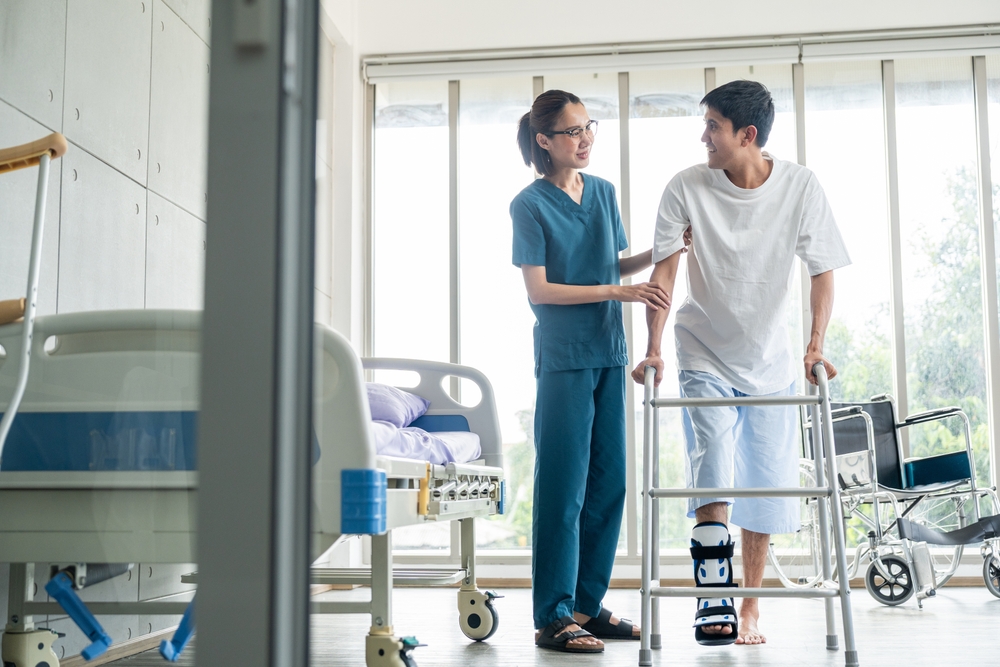
العلاج الطبيعي مهم للتعافي بعد الجراحة، حيث يساعد في منع المضاعفات الجسدية مثل التورم والجلطات الدموية، ويحسن الحركة والقوة البدنية، وهما ضروريان للأنشطة اليومية. يضمن العلاج الطبيعي بعد الجراحة في أبو ظبي الشفاء السليم والسلامة، بالإضافة إلى المرونة الطبيعية.
أهم النقاط الرئيسية:
- تؤدي الجراحة إلى حدوث التهاب وتورم وألم، وآثار جانبية مؤقتة مثل التعب والغثيان وتقليل الحركة مع بدء الجسم في التعافي.
- يتضمن التعافي إصلاح الأنسجة، وتكوين الكولاجين الجديد، ودعم المناعة، وزيادة متطلبات الطاقة، مما يسبب غالبًا الضعف والتعب.
- تساعد العلاج الطبيعي على إدارة الألم، واستعادة القوة، وتحسين الحركة، ومنع المضاعفات، وتقليل مخاطر الإصابات طويلة الأمد.
- الدعم المبكر والموجه لإعادة التأهيل والرعاية المنسقة يدعم التعافي الأسرع، وتحسين الوظائف، وعودة أكثر أمانًا إلى الأنشطة اليومية.
غالباً ما تبدأ الجراحة عملية شفاء معقدة، تؤثر على القوة والحركة والدورة الدموية والصحة العامة. لذا، إلى جانب الراحة الكافية، تلعب إعادة التأهيل المنظمة دوراً حيوياً في التعافي. في هذا الصدد، يساعد العلاج الطبيعي المرضى على استعادة الحركة، وإدارة الألم، واستعادة القدرة الوظيفية، ومنع المضاعفات، مما يدعم العودة الفعالة والسريعة إلى الحياة الطبيعية.
هنا، نستكشف أهمية العلاج الطبيعي للتعافي بعد الجراحة.
ما الذي يحدث لجسمك بعد الجراحة؟
تتضمن الاستجابات الالتهابية للجسم بعد الجراحة التورم، وتثبيط العضلات، وانخفاض الدورة الدموية. إليك ما يختبره الأفراد غالبًا بعد الجراحة.
التداعيات المباشرة (0-48 ساعة)
في أول 48 ساعة بعد الجراحة، قد تعاني من بعض الآثار الجانبية للتخدير، مثل الارتجاف، والدوخة، وجفاف الفم، والغثيان، أو التهاب الحلق. بخلاف ذلك، قد تشعر بألم وتورم في مكان الشق الجراحي، حيث يرسل الجسم إشارات لعملية الشفاء.
خلال هذه الفترة، قد تعاني أيضاً من حمى خفيفة (حوالي 38 درجة مئوية أو 100.4 درجة فهرنهايت)، وهي استجابة طبيعية للإجهاد البدني.
ولكن تجدر الإشارة إلى أنه بينما يمكن أن يسبب الالتهاب الطفيف ارتفاعات طفيفة في درجة الحرارة، فإن معايير السلامة السريرية تقتضي مراقبة الحمى ما بعد الجراحة عند 38 درجة مئوية أو أعلى عن كثب لاستبعاد المشكلات التنفسية المبكرة (مثل انهيار جزئي في الرئة أو انخماص) أو الالتهابات المبكرة في موقع الجراحة.
عملية الشفاء (1-6 أسابيع)
في الأسابيع الستة الأولى، قد يمر جسمك ببعض المراحل المتداخلة.
- مع حدوث الإرقاء، تتوقف العملية الفسيولوجية عن النزيف في موقع وعاء دموي مصاب. ويساعد ذلك في الحفاظ على سيولة الدم داخل الأوعية السليمة.
- يتطور الجسم أيضاً الكولاجين والأوعية الدموية الجديدة خلال مرحلة التكاثر.
- قد تشعر بإنهاك الطاقة، حيث يستخدم الجسم السعرات الحرارية والموارد بشكل صارم للشفاء.
بصرف النظر عن هذه القضايا، غالبًا ما يمر الأفراد ببعض المشكلات النفسية مثل الخوف من الحركة (رهاب الحركة) والقلق ما بعد الجراحة.
يعالج أخصائيو العلاج الطبيعي رهاب الحركة عن طريق تقديم تمارين شخصية ضمن نطاقات حركة محددة بدقة ومعتمدة من الجراح. تُستخدم الدعامات المتخصصة والداعامات الواقية لحماية الهياكل التي تتعافى. يتم توجيه المرضى تدريجياً خلال حركات آمنة، مما يساعدهم على فهم أن التمرين العلاجي هو شكل متحكم فيه من العلاج وليس خطرًا غير موجه.
الآن، تحقق من الجدول أدناه للحصول على نظرة عامة موجزة عما يحدث بعد الجراحة.
| جانب | ما الذي يحدث لجسمك بعد الجراحة؟ |
| الاستجابة العلاجية | يبدأ الجسم في إصلاح الأنسجة، مما يسبب التورم والالتهاب. |
| نشاط مناعي | يمنع الجهاز المناعي العدوى ويدعم التعافي. |
| استخدام الطاقة | تُوجّه المزيد من الطاقة والمغذيات نحو الشفاء، مما يؤدي غالبًا إلى الإرهاق. |
| تغييرات التنقل | قد يحدث تصلب مؤقت أو ضعف أو انخفاض في الحركة حتى تتعافى الأنسجة. |
| تقدم التعافي | الراحة المناسبة والترطيب والتغذية وإعادة التأهيل تساعد على استعادة الوظائف الطبيعية وتسريع الشفاء. |
جدول 1: ما يحدث للجسم بعد الجراحة
الفوائد الأساسية للعلاج الطبيعي بعد الجراحة
إذًا، ما هي فوائد العلاج الطبيعي بعد الجراحة؟ كيف يساعد الجسم؟ إليك إجابتنا.
إدارة الألم
في مرحلة ما بعد الجراحة، غالبًا ما يصبح الألم عاملاً حاسماً. وفي هذا الصدد، يساعد العلاج اليدوي الطبيعي، والعلاج الكهربائي (TENS)، والموجات فوق الصوتية العلاجية في تقليل حساسية الأعصاب والالتهاب.
استعادة الحركة والقوة الوظيفية
يساعد العلاج الطبيعي المرضى على إعادة تعلم الحركات العملية التي تؤثر بشكل مباشر على الحياة اليومية. بعد الجراحة، قد يشمل العلاج تعلم كيفية النهوض بأمان من كرسي منخفض دون وضع ضغط مفرط على رباط تم إصلاحه، أو التنقل على الدرج بتوزيع وزن مناسب، أو الدخول والخروج من السرير بشكل مريح بعد جراحة البطن.
الوقاية من المضاعفات الجسدية
يلعب العلاج الطبيعي دورًا حيويًا في منع المضاعفات الجسدية، والتي غالبًا ما تظهر بعد الجراحة. فيما يلي بعض المضاعفات الجسدية الرئيسية التي يمنعها العلاج الطبيعي.
- التمرينات البسيطة مثل تمارين الكاحل وتقلصات عضلات الساق المبكرة تضغط بشكل فعال على الأوردة العميقة في الساقين. هذا الإجراء الميكانيكي يفتح الصمامات الوريدية ويدفع الدم الراكد مرة أخرى نحو القلب، مما يقلل من خطر الإصابة بجلطات الأوردة العميقة (DVT) وتكون جلطات الدم بعد العمليات الجراحية المرتبطة بالراحة الطويلة في الفراش.
- تضمن عيادات العلاج الطبيعي سلامة المرضى من خلال شبكة تشخيص آمنة في الموقع. كمركز تشخيص متعدد التخصصات، يمكن للمعالجين التعاون مباشرة مع أخصائيي التشخيص إذا ظهرت أعراض غير متوقعة أثناء إعادة التأهيل. على سبيل المثال، إذا ظهر تورم مفاجئ في الساق، أو دفء غير عادي، أو ألم كبير لدى المريض أثناء إعادة التأهيل بعد جراحة الركبة، يمكن ترتيب فحص دوبلر بالموجات فوق الصوتية في الموقع على الفور لاستبعاد تجلط الأوردة العميقة (DVT).
- تساعد الحركات العلاجية والتدريب البدني الموجه على مواجهة التحديات المتعلقة بتيبس المفاصل وهزال العضلات. فهي تساعد بشكل خاص في استعادة قوة الجسم الطبيعية وقدرته على الحركة.
- الحركة التدريجية والمتحكم بها تعزز الشفاء الأسرع للأوتار والعضلات والأربطة.
الوقاية من الإصابات على المدى الطويل
تصحيح الحركة من خلال العلاج الطبيعي يمنع الإصابات الثانوية للمفاصل المجاورة.
- يمكن لخبرة مركز كيور الطبي المهنية أن ترشدك في استعادة الميكانيكا الحيوية للعضلات والمفاصل، حيث تصحح التمارين المستهدفة أنماط الحركة غير المتوازنة والتعويضية الناتجة عن الجراحة.
- إعادة التأهيل الطبيعي يعيد بناء الوعي المكاني ويساعد المفاصل على الاستجابة بسرعة للحركات المفاجئة. وهذا يمنع التواءات أو تعثرات مستقبلية.
العلاج الطبيعي في أبو ظبي أصبح ذا شعبية بسبب البرامج القائمة على الأدلة وتقليل وقت التعافي، مما يساعد المرضى على العودة إلى حياة عمل نشطة.
متى يجب أن تبدأ العلاج الطبيعي بعد الجراحة؟
حسناً، يجب أن تبدأ العلاج الطبيعي في غضون 24-72 ساعة من الجراحة. تذكر، الحركات الموجهة ضرورية، لأنها تقلل التورم، وتمنع تيبس المفاصل، وتسرع الشفاء.
جداول زمنية متفاوتة
قد يختلف الجدول الزمني للعلاج الطبيعي. ولكن لماذا؟ حسنًا، لديه عمليات استبدال وجراحات البطن التي تتبع بروتوكولات مختلفة. احصل على أفضل إرشادات من خبراء Cure للحصول على أفضل دعم بدني.
التنسيق الاحترافي
إذًا، هل التنسيق بين الجراح وأخصائي العلاج الطبيعي مهم؟ نعم، إنه كذلك. فهو يسد الفجوة بين الجراحة والتعافي البدني الكامل، ويضمن التواصل السلس فعالية خطة إعادة التأهيل مع العملية الجراحية، مما يمنع حدوث نكسات غير مرغوب فيها.
يضمن التنسيق أيضًا جداول زمنية مخصصة (تبادل منتظم للملاحظات بين المعالج والجراح) وتقدمًا آمنًا مع المعرفة المشتركة للنهج الجراحي وحدود تحمل الوزن وسلامة الأنسجة.
ملاحظة: العلاج الطبيعي قبل الجراحة (إعادة التأهيل) ضروري لتقوية الجسم وتقليل المخاطر الجراحية وتسريع عملية التعافي بعد الجراحة. غالبًا ما يعمل كاحتياطي فسيولوجي، مما يساعد الجسم على تحمل الإجهاد الأيضي.
| مرحلة إعادة التأهيل | نافذة الجدول الزمني لما بعد الجراحة | النشاط الفسيولوجي الأساسي | التدخل العلاجي الطبيعي المستهدف | نقطة تطور رئيسية للمريض للتقدم الآمن |
|---|---|---|---|---|
| المرحلة الأولى: الحماية الحادة والالتهاب | من اليوم 1 إلى 14 | التهاب خلوي مرتفع، تورم موضعي في الأنسجة، وتثبيت مبكر للجلطة الليفينية. | حلقات العلاج بالتبريد، والتصريف اللمفاوي العميق، وتمارين نطاق الحركة السلبية (PROM)، وتمارين الدورة الدموية باستخدام حركة «مضخة الكاحل». | نجاح في تقليل التورم الأولي والتنفيذ المستقل لعمليات النقل الآمنة الأساسية. |
| المرحلة الثانية: التكاثر وإصلاح الأنسجة | الأسابيع 2 إلى 8 | ترسب الكولاجين عالي الكثافة، ونضوج الندبة الداخلية الأولي، وتكوين الأوعية الدموية. | تمارين السلسلة الحركية المغلقة، والحمل متساوي القياس دون الأقصى، وإعادة تدريب المشي الوظيفي. | تحقيق تناسق كامل في نطاق الحركة الأساسي للمفاصل النشط (AROM) دون وجود علامات ألم بنيوي. |
| المرحلة 3: إعادة التصميم والمصفوفة الوظيفية | الأسابيع من 8 إلى 16+ | تشابك ألياف الكولاجين الناضجة على طول خطوط الإجهاد البدني لتعظيم قوة الأنسجة. | التدريب على المقاومة التدريجية، وتتبع الحس العميق المتقدم، وتمارين الرشاقة الخاصة بالرياضة. | استعادة كاملة للقوة الوظيفية المطلقة للطرف المطابقة 85%+ من الجانب السليم. |
الجدول 2: الفترة الزمنية المخصصة لإعادة التأهيل للمرضى بعد الجراحة
العلاج الطبيعي في أبوظبي: ما يحتاج المرضى معرفته
إليك ما تحتاج لمعرفته حول العلاج الطبيعي في أبوظبي.
ترخيص وزارة الصحة
DOH هي شهادة إلزامية لمهنيي الرعاية الصحية في أبوظبي، مثل الممرضين، والمتخصصين الصحيين المساعدين، وأخصائيي العلاج الطبيعي، و أطباء. تحقق من رقم ترخيص وزارة الصحة قبل حجز جلساتك مع أخصائي العلاج الطبيعي.
تغطية التأمين
قد تغطي العديد من شبكات التأمين المتميزة في أبو ظبي، بما في ذلك خطط ضمان ثقة، وبرامج التأمين المؤسسي المطورة، وشبكات نيكست كير، العلاج الطبيعي بعد العمليات الجراحية عند الإشارة الطبية.
ومع ذلك، غالبًا ما تتطلب التغطية الحصول على إحالة طبية محدثة وإذن إداري مسبق. وفي كثير من الحالات، تطلب شركات التأمين تجديد الإذن بعد كل 6–10 جلسات علاج طبيعي، مما يجعل من المهم للمرضى التحقق من المتطلبات قبل مواصلة خطط العلاج.
ميزة الرعاية المتكاملة
في مركز التشخيص متعدد التخصصات التابع لـ Cure، نقدم نظام رعاية متكامل، يشمل التصوير (الرنين المغناطيسي، الأشعة السينية)، إعادة التأهيل، والاستشارات المتخصصة. هذا يلغي تأخيرات الإحالة ويضمن بروتوكولات علاج طبيعي آمنة.
خاتمة
تساعد العلاج الطبيعي في التعافي بعد الجراحة المرضى على استعادة الحركة والقوة والثقة، مع تقليل مخاطر المضاعفات. تحسن خطط إعادة التأهيل الشخصية، والتدخل المبكر، والتوجيه المهني النتائج بشكل كبير وتضمن سهولة الأنشطة اليومية. جنبًا إلى جنب مع التوجيه الطبي السليم، يدعم العلاج الطبيعي التعافي على المدى الطويل ويمنع الإصابات طويلة الأمد.
اتصل بمركز كيور الطبي للحصول على أفضل خدمات العلاج الطبيعي في أبوظبي.
هل تشعر بالقلق بشأن حالتك الصحية بعد الجراحة؟ احصل على أفضل إرشادات العلاج الطبيعي والدعم الاحترافي في علاج. يتمتع أخصائيو العلاج الطبيعي لدينا بخبرة واسعة في تقنيات العلاج اليدوي، والحجامة الجافة، والإبر الجافة، إلى جانب استخدام التحفيز الكهربائي، والموجات الصدمية، والموجات فوق الصوتية. احصل على علاج عالي الجودة يتناسب مع حالتك الطبية واحتياجاتك بعد الجراحة.
الأسئلة الشائعة
1. كيف يبدو برنامج العلاج الطبيعي بعد الجراحة؟
غالبًا ما يتضمن برنامج العلاج الطبيعي بعد الجراحة ثلاث مراحل متميزة - الحادة (الأيام 1-14)، التعافي (الأسبوع 2-8)، وإعادة التأهيل الوظيفي (الأسبوع 8+). في حين أن المرحلة الأولى مخصصة لمراقبة الجروح، والتحكم في الألم والتورم، والحركة المحمية من خلال التعبئة اللطيفة، والعلاج الكهربائي، والتصريف اللمفاوي، تستخدم المرحلة الثانية تمارين المقاومة والعلاج المائي لاستعادة نطاق حركة المفاصل وأنماط الحركة الوظيفية. ومع ذلك، خلال المرحلة الثالثة، يعود المرضى إلى الأنشطة الترفيهية والمهنية.
2. أي العمليات الجراحية تتطلب علاجًا طبيعيًا بعد العملية؟
يوصى بالعلاج الطبيعي بعد العمليات الجراحية للعظام بشكل شائع، مثل استبدال المفاصل، وإعادة بناء الأربطة، وجراحات العمود الفقري، وإصلاح الكسور. كما أنه مفيد بعد الجراحات القلبية والعصبية وبعض جراحات البطن أو الصدر. يساعد العلاج الطبيعي على استعادة الحركة، وتقليل الألم والتورم، وتحسين القوة، ومنع المضاعفات، ودعم العودة الآمنة والسريعة إلى الأنشطة اليومية والاستقلالية.
٣. هل يمكن للعلاج الطبيعي تحسين جودة النوم بعد الجراحة؟
نعم. يمكن أن يؤدي الانزعاج ما بعد الجراحة، والتيبس، وعدم النشاط إلى تعطيل أنماط النوم. تعزز العلاج الطبيعي الدورة الدموية، وتقلل من توتر العضلات، وتشجع على الحركة الآمنة، مما قد يساعد المرضى على الشعور براحة أكبر وتحقيق نوم أفضل جودة أثناء التعافي.
٤. ماذا يجب أن أرتدي لجلسة العلاج الطبيعي بعد الجراحة؟
ارتدِ ملابس فضفاضة ومريحة تسمح بالوصول السهل إلى المنطقة المعالجة. يُنصح أيضًا بارتداء أحذية داعمة، حيث قد يقوم المعالجون بتقييم أنماط المشي والتوازن والحركة أثناء جلسات إعادة التأهيل.
٥. هل يمكن للعمر أن يؤثر على مدة العلاج الطبيعي بعد الجراحة؟
يمكن للعمر أن يؤثر على سرعة التعافي لأن كبار السن قد يعانون من بطء التئام الأنسجة وانخفاض كتلة العضلات. ومع ذلك، يمكن لخطة علاج طبيعي مخصصة أن تلبي الاحتياجات الفردية وتساعد المرضى من جميع الأعمار على تحقيق تحسينات ذات مغزى في الحركة والوظيفة.
٦. كيف يقوم أخصائي العلاج الطبيعي بتعديل برنامج إعادة التأهيل الخاص بك في حالة تطور ندبات جدرية أو كلويد في موقع الشق الجراحي؟
إذا تطورت ندبة جراحية لتصبح ندبة ضخامية أو كلويدية، فقد يقوم أخصائي العلاج الطبيعي بتعديل برنامج إعادة التأهيل عن طريق دمج تقنيات إدارة الندبات مثل التدليك اللطيف للندبات، وتعبئة الأنسجة الرخوة، وتوجيه العلاج بالسيليكون، وتمارين الإطالة. قد يقومون أيضًا بتعديل الحركات التي تزيد من التوتر على الندبة مع الحفاظ على الحركة والوظيفة والتقدم العام للتعافي.
7. هل من الآمن إجراء العلاج الطبيعي اليدوي أو العلاج الكهربائي مباشرة فوق الأجهزة العظمية الداخلية الدائمة مثل الصفائح والبراغي المصنوعة من التيتانيوم؟
نعم، في معظم الحالات، يمكن إجراء العلاج الطبيعي اليدوي بأمان فوق أو حول الأجهزة العظمية الدائمة مثل الصفائح والبراغي المصنوعة من التيتانيوم بعد التئام موقع الجراحة. العلاج الكهربائي آمن بشكل عام أيضًا، ولكن قد تتطلب بعض الوسائل والإعدادات الحذر. يقوم أخصائيو العلاج الطبيعي بتقييم حالة الشفاء وحساسية الأنسجة وتوصيات الجراح قبل تطبيق العلاج مباشرة فوق منطقة الجهاز.
٨. ما هو البروتوكول السريري الدقيق في حال تعرض المريض لزيادة مفاجئة في الألم الحاد الموضعي أثناء جلسة تمارين منزلية مقابل ساعة في العيادة؟
إذا شعر المريض بألم مفاجئ وحاد وموضعي أثناء جلسة تمارين منزلية، فيجب عليه التوقف عن النشاط فوراً، والراحة، والتواصل مع معالجه الطبيعي للحصول على التوجيه. أما أثناء الجلسات الحضورية، فسيتوقف المعالج عن العلاج، ويقيم مصدر الألم، ويقوم بتقييم سريري، ويعدل أو يعلق خطة إعادة التأهيل حسب الحاجة.