
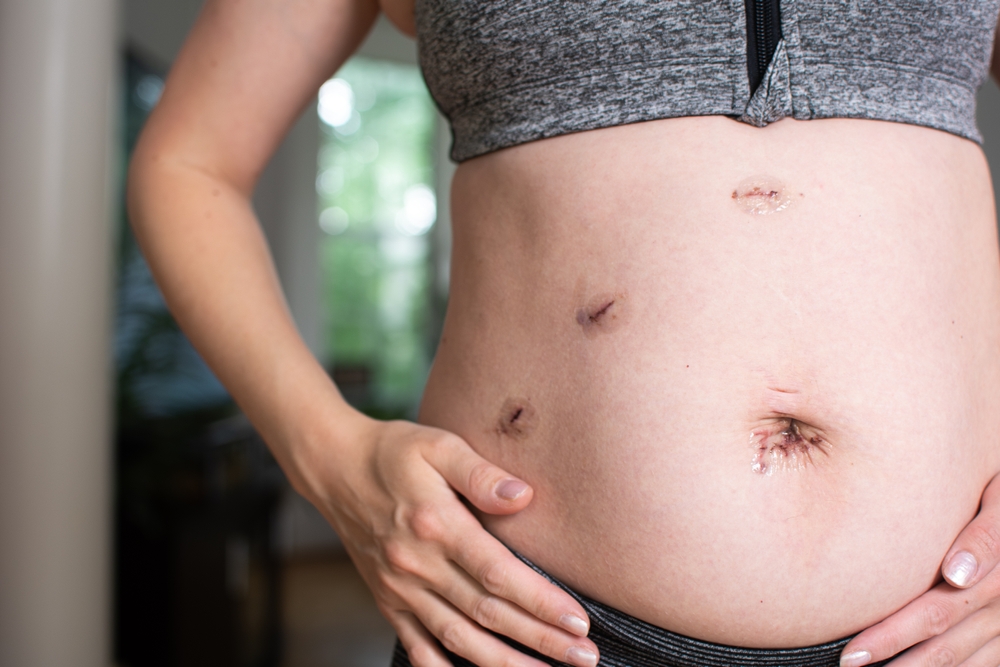
عادةً ما يستغرق التعافي بعد إجراء جراحي بسيط بالمنظار من أسبوع إلى ثلاثة أسابيع للعلاجات البسيطة. قد تتطلب جراحات الأعضاء الرئيسية ما يصل إلى ستة أسابيع للشفاء الكامل للأنسجة. تعتمد الجداول الزمنية الفردية دائمًا على العملية المحددة التي تم إجراؤها والحالة الصحية العامة.
أهم النقاط الرئيسية:
- يعود معظم المرضى إلى الأنشطة الخفيفة في غضون أسبوع إلى أسبوعين بعد العمليات القياسية بالمنظار.
- قد يتطلب التئام الأنسجة الداخلي بالكامل واستعادة القوة البدنية مدة تصل إلى ستة أسابيع كحد أقصى.
- الالتزام الصارم بتعليمات فريقك الطبي يضمن الشفاء الأمثل ويقلل من المضاعفات.
جراحة بالمنظار هو إجراء طفيف التوغل مخصص حيث يستخدم الجراحون كاميرا صغيرة تسمى المنظار الجراحي وأدوات متخصصة للعمل من خلال شقوق صغيرة. يسمح هذا النهج الجراحي المتقدم للأفراد بالعودة إلى روتينهم الطبيعي بشكل أسرع بكثير من العمليات الجراحية التقليدية المفتوحة، مما يوفر شفاءً أسرع ومضاعفات أقل.
إذا كنت تستعد لجراحة البطن بالمنظار أو تتعافى منها، فأنت في المكان الصحيح. في هذه المدونة، سنستكشف الجدول الزمني للشفاء والتعافي بعد جراحة البطن بالمنظار.
ما الذي يؤثر على رحلتك بعد العملية؟
يعتمد التعافي بعد الجراحة بالمنظار على بعض العوامل الرئيسية. تشمل هذه العوامل:
تعقيد جراحي
يستغرق التنظير البطني الاستكشافي البسيط وقت شفاء أقصر بكثير (عادةً بضعة أيام فقط). قد تستغرق فترة التعافي وقتًا أطول في حالة الإجراءات المتقدمة مثل إزالة المرارة أو استئصال الأمعاء.
عوامل الصحة والعمر الفردية
يتعافى المرضى النشطون والأصحاء قبل الإجراء بشكل عام بشكل أسرع. علاوة على ذلك، غالبًا ما يعاني المرضى الأصغر سنًا من تجديد أسرع للخلايا وعودة أسرع للطاقة. يمكن أن تؤدي الحالات الطبية الموجودة، مثل مرض السكري، إلى إبطاء الشفاء بعد الجراحة بالمنظار.
الالتزام برعاية ما بعد العملية الجراحية
يعتمد التعافي بعد الجراحة أيضًا على كيفية العناية بصحتك. الحفاظ على نظافة وجفاف مكان الحقن أمر بالغ الأهمية. تناول المضادات الحيوية الموصوفة أمر بالغ الأهمية أيضًا لمنع العدوى، واتباع خطة متعددة الوسائط لإدارة الألم يساعد الجسم على التعافي دون تأخير الشفاء.
الراحة والتعبئة المبكرة
يعد الحصول على قسط كافٍ من الراحة أمرًا حيويًا في عملية التعافي بعد الجراحة بالمنظار. العناية السليمة بالجرح تقلل من خطر الإصابة بالعدوى.
غالباً ما يقترح الخبراء الحركة المبكرة. المشي لمسافات قصيرة وخفيفة في غضون يوم واحد من الإجراء أمر بالغ الأهمية. يمنع هذا التنقل تكون جلطات الدم ويساعد على إطلاق غاز ثاني أكسيد الكربون المحتبس الذي يسبب الانتفاخ في البطن.
الإطار الزمني العام للتعافي مفصلاً
بعد الجراحة بالمنظار، يبدأ معظم المرضى في الشعور بتحسن كبير في غضون 1 إلى 2 أسبوع. إليك جدول زمني عام للشفاء بعد الجراحة بالمنظار.
الساعات الـ 24 إلى 48 الأولى
تتضمن الفترة التي تلي مباشرة الجراحة بالمنظار التغلب على آثار التخدير. خلال هذه الفترة، يشعر العديد من الأفراد بالتعب أو النعاس أو الغثيان الخفيف في البداية.
غالبًا ما يبلغ المرضى عن آلام الغازات خلال هذه المرحلة. يستخدم الجراحون غاز ثاني أكسيد الكربون لتضخيم البطن لرؤية أفضل. لذلك، يُقترح التجول بلطف في غرفتك، مما يمكن أن يشتت هذا الغاز المحتجز بسرعة.
الأسبوع الأول: إغلاق الجرح الأولي
بعد أسبوع من الجراحة بالمنظار، يركز الجسم على إغلاق طبقات الجلد الخارجية. ستلاحظ عودة تدريجية للقوة البدنية وتشعر بألم أقل في موقع الجراحة.
لا يزال من الضروري تجنب أي مهام ثقيلة خلال هذه المرحلة. ومع ذلك، يُسمح بالعمل المكتبي الخفيف بعد 4-5 أيام من الجراحة. حافظ على نظافة وجفاف موقع الشق الجراحي لدعم مرحلة التعافي بعد الجراحة. علاوة على ذلك، يُقترح أيضًا تناول الأطعمة الغنية بالألياف التي تضع ضغطًا أقل على حركة الأمعاء.
الأسبوع 2 إلى 4: العودة إلى الروتين
بحلول الأسبوع الثالث، تبدأ الأنسجة الداخلية في الالتئام بشكل جيد. خلال هذه الفترة، يمكن لمعظم المرضى العودة إلى وظائفهم المكتبية العادية واستئناف قيادة المركبات. ومع ذلك، تحتاج إلى الاعتناء بجسمك ولا تزال تتحمل المخاطر الكافية عند الشعور بالتعب.
يُقترح تجنب تمارين البطن الشاقة خلال هذه المرحلة حتى يحصل جراحك على موافقة صريحة. ستبدو جرح الشق كعلامات وردية صغيرة خلال هذه الفترة.
الأسبوع 4 إلى 6: التعافي الكامل
تتعافى قوة الأنسجة الداخلية بالكامل في غضون ستة أسابيع كاملة بعد الجراحة بالمنظار. في هذه المرحلة، يمكنك بشكل عام استئناف جميع الأنشطة البدنية، بما في ذلك رفع الأثقال. بحلول هذا الوقت، تستعيد جدران العضلات العميقة سلامتها الهيكلية.
إليكم جدول يوضح مراحل مختلفة للتعافي بعد الجراحة بالمنظار.
| مرحلة التعافي | الإطار الزمني النموذجي | مستوى النشاط المسموح به |
| طور حاد | يوم إلى يومين | راحة تامة، ومشي قصير داخل المنزل |
| المرحلة شبه الحادة | 3-7 أيام | أعمال مكتبية خفيفة، لا تتطلب رفع أثقال |
| المرحلة المتوسطة | 2-3 أسابيع | قيادة، المشي المعتدل |
| المرحلة النهائية | 4-6 أسابيع | تمارين عادية، رفع أوزان كامل |
جدول: مراحل التعافي بعد جراحة تنظيرية
فترات النقاهة الخاصة بالجراحة
على الرغم من أن الجراحة بالمنظار طفيفة التوغل، فإن فترات التعافي غالبًا ما تختلف اعتمادًا على نوع الجراحة بالمنظار التي تم إجراؤها أو العضو المعني.
هذه هي فترات التعافي اعتمادًا على أنواع الإجراءات بالمنظار.
تنظير البطن التشخيصي
بعد تنظير البطن التشخيصي، يمكن استئناف الأنشطة الخفيفة بشكل عام في غضون 3 إلى 7 أيام. يستغرق التعافي الكامل من 1 إلى 2 أسبوع.
استئصال المرارة بالمنظار (إزالة المرارة)
عادة ما يتم تسريح المريض من المستشفى بعد يوم من الإجراء. يمكن البدء بالأنشطة الخفيفة في غضون 3 إلى 5 أيام. تستغرق العودة إلى كامل النشاط 4-6 أسابيع.
جراحة القولون بالمنظار
يستغرق البقاء في المستشفى عادة من 2 إلى 3 أيام. يستغرق التعافي الكامل، وتطبيع حركة الأمعاء، واستئناف الأنشطة البدنية بالكامل ما لا يقل عن 6 إلى 8 أسابيع.
في مراكز كيور الطبية، نؤكد على أحدث التطورات الطبية. نحن متخصصون في جراحة المناظير إلى جانب إجراءات الجراحة العامة الأخرى، والتي تعد أكثر أمانًا وأقل تدخلاً.
إخلاء مسؤولية: توضح هنا فترة التعافي بعد الجراحة بالمنظار بكونها عامة وشاملة. يمكن لهذه الفترة أن تختلف بناءً على مدى تعقيد العملية الجراحية لكل مريض، وعمره، وإدارته للألم، وحالته الصحية الحالية، ومدى التزامه بتعليمات ما بعد الجراحة.
نصائح عملية لتعافٍ أسرع
لتسريع التعافي بعد الجراحة بعد تنظير البطن، من المهم للغاية اتباع التعليمات التي يقدمها جراحك.
إليك بعض النصائح العملية التي تضمن تعافيًا أسرع بعد جراحة بالمنظار.
اتبع تعليمات ما بعد الجراحة بعناية
بعد الجراحة، سيقدم الجراح تعليمات الرعاية ما بعد الجراحة المصممة خصيصًا لحالتك. قد تشمل هذه:
- متى يجب إزالة ضمادات الجروح
- نصائح للعناية السليمة بمواقع الشق الجراحي
- ما هي الأدوية التي يجب تناولها، ومتى
في مراكز كير الطبية، أخصائيونا الخبراء في جراحة عامة ستقدم الإدارة إرشادات شاملة فيما يتعلق بالشفاء بعد العمليات الجراحية.
التركيز على إدارة الألم
بعد الجراحة بالمنظار، من الطبيعي الشعور ببعض الانزعاج أو الانتفاخ، خاصة بسبب الغاز المستخدم أثناء الإجراء. من الضروري تناول الأدوية حسب الوصفة الطبية. يمكنك استخدام كمادة دافئة لتخفيف الانزعاج الخفيف بعد الحصول على موافقة طبيبك.
اتبع نظامًا غذائيًا خفيفًا
بعد إجراء تنظير البطن للجهاز الهضمي، سيتم نصحك بتناول وجبات خفيفة وسهلة الهضم. سيشمل هذا النظام الغذائي:
- مرقات وحساء.
- فواكه طرية وخضروات مطبوخة
- لبن زبادي أو أرز سادة
العناية بمواقع الشق الجراحي
على الرغم من أن الشقوق الجراحية بالمنظار صغيرة، إلا أنها تحتاج إلى عناية مناسبة.
- الحفاظ عليها نظيفة وجافة أمر بالغ الأهمية.
- تجنب الاستحمام حتى تلتئم الجروح بالكامل.
- راقب علامات العدوى.
- ارتدي ملابس فضفاضة ومريحة لتجنب تهيج أماكن الشقوق الجراحية.
علامات الشفاء الطبيعي الشائعة
هذه العلامات هي مؤشرات طبيعية تمامًا للشفاء.
- من المتوقع تمامًا حدوث تورم أولي خفيف حول نقاط الدخول.
- تُشير الإحساس بالحكة إلى أن النهايات العصبية والجلد يندمجان معًا بنجاح.
- الكدمات المؤقتة ستتغير ألوانها وتتلاشى في غضون أسبوعين.
خاتمة
تساعد الجراحة طفيفة التوغل، مثل جراحة تنظير البطن، على الشفاء السريع وتقليل الاضطراب في حياتك اليومية. يتعافى معظم الأشخاص بشكل كامل خلال ستة أسابيع مع الرعاية المناسبة. الشراكة مع نخبة من المهنيين الطبيين تضمن رحلة آمنة للعودة إلى الأنشطة التي تحبها.
حقق التعافي الأمثل مع مراكز كيور الطبية
هل تستعد لجراحة بالمنظار؟ تواصل مع مراكز كيور الطبية, ، حيث نولي الأولوية لراحتك وسلامتك وعودتك السريعة للتعافي. يستخدم خبراؤنا الجراحون ذوو المهارات العالية تقنيات متقدمة طفيفة التوغل لضمان نتائج دقيقة. نقدم إرشادات شاملة عبر كل خطوة من رحلة تعافيك الفريدة بعد الجراحة.
أسئلة متكررة
متى يمكنني الاستحمام بالكامل بأمان بعد الإجراء؟
عادةً يمكنك الاستحمام السريع بعد 48 ساعة من الجراحة إذا قمت بتجفيف الشقوق بالكامل. تجنب الاستحمام في حوض الاستحمام أو السباحة أو استخدام أحواض الاستحمام الساخنة حتى يؤكد جراحك أن الجروح قد التأمت تمامًا.
2. لماذا تؤلمني كتفاي كثيراً بعد جراحة في البطن؟
يمكن لغاز ثاني أكسيد الكربون المستخدم لتضخيم بطنك أن يهيج العصب الحجابي. تنتشر هذه التهيج مباشرة إلى كتفيك، لكن المشي اللطيف والكمادات الدافئة ستساعد على زواله
3. هل يمكنني شرب القهوة أو الشاي خلال مرحلة التعافي الأولية؟
يجب عليك تجنب المشروبات التي تحتوي على نسبة عالية من الكافيين في الأيام القليلة الأولى لأن الكافيين يمكن أن يسبب تهيجًا لجهازك الهضمي. التزم بالماء والمرق الصافي وشاي الأعشاب مثل النعناع للمساعدة في تهدئة معدتك.
4. هل يمكنني استخدام كريمات الندبات التي لا تستلزم وصفة طبية على شقوقي فوراً؟
لا، يجب عليك الانتظار حتى تلتئم الشقوق تمامًا، وتصبح خالية من القشور، وتتعافى بالكامل – عادةً حوالي الأسبوع الرابع. قد يؤدي تطبيق الكريمات أو فيتامين E أو جل السيليكون في وقت مبكر جدًا إلى إدخال البكتيريا والتسبب في التهابات.
٥. هل يمكنني قيادة السيارة إلى المنزل من المستشفى في يوم الجراحة؟
لا، لا يمكنك القيادة لمدة 24 ساعة على الأقل بعد تلقي التخدير، لأنه يضعف ردود أفعالك وحكمك بشدة. بالإضافة إلى ذلك، يجب أن تتوقف تمامًا عن تناول جميع مسكنات الألم المخدرة الموصوفة طبيًا قبل أن يكون من الآمن القيادة.